
Gratitude meditation is a powerful practice that can transform your mindset and bring more joy into your daily life. In a world filled with stress and negativity, taking time to appreciate the good things creates a profound shift in perspective. This ancient practice, now backed by modern science, helps rewire your brain to focus on abundance rather than lack.

The Transformative Power of Gratitude Meditation
Gratitude meditation goes beyond simply saying “thank you.” It’s about cultivating a deep sense of appreciation for both big blessings and small moments. Research shows this practice can reduce stress, improve sleep, and strengthen relationships. When you regularly focus on what you’re grateful for, you train your brain to scan for positives rather than negatives.
For beginners, start with just five minutes daily. Find a quiet space, close your eyes, and bring to mind three things you appreciate. They could be as simple as a warm cup of coffee or as significant as a loved one’s support. If you’re new to meditation, our guide on meditation for beginners can help you establish a strong foundation.
Practical Techniques for Daily Gratitude Practice
There are several effective ways to incorporate gratitude meditation into your routine:
- Morning gratitude: Start your day by listing three things you’re thankful for
- Gratitude journal: Keep a notebook by your bed to record blessings before sleep
- Walking meditation: Notice and appreciate nature’s beauty during your walks
Studies like this research shows demonstrate how gratitude physically changes brain structure. For deeper practice, try loving-kindness meditation where you extend gratitude to others.
Overcoming Common Challenges in Gratitude Practice
Many beginners struggle with consistency or feeling “forced” gratitude. Remember:
- It’s okay to start small – even appreciating your breath counts
- On difficult days, look for simple comforts like a cozy blanket
- Combine gratitude with other mindfulness techniques for better results
If your mind wanders during practice, gently bring it back to your gratitude focus without judgment. This mental training becomes easier with time.
Making Gratitude a Lifelong Habit
To sustain your practice:
- Set phone reminders for gratitude moments
- Create visual cues like sticky notes with thankful messages
- Share your appreciation with others regularly
Over months and years, gratitude meditation can fundamentally change how you experience life. Many practitioners report increased resilience, better relationships, and greater overall happiness.
Frequently Asked Questions
How long should I practice gratitude meditation?
Begin with 5-10 minutes daily. You can gradually increase as it becomes more natural.
What if I can’t think of anything to be grateful for?
Start with basic necessities – clean water, a safe home, or functioning senses.
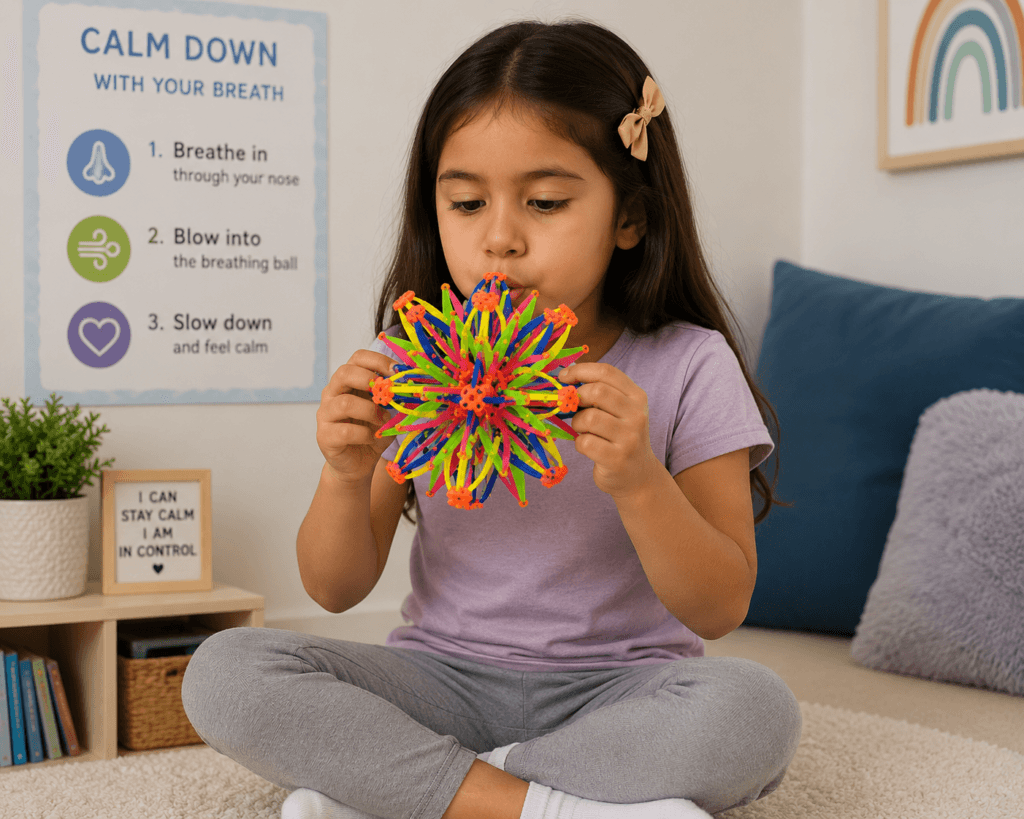
Can children practice gratitude meditation?
Absolutely! Simplified versions work wonderfully for kids and teach valuable life skills.
Does gratitude meditation replace therapy?
While beneficial, it complements rather than replaces professional mental health care.
How soon will I see results?
Many notice subtle shifts within weeks, but profound changes often take consistent practice over months.
Gratitude meditation offers a simple yet profound way to cultivate joy and contentment. By regularly focusing on life’s gifts, you develop what psychologists call a “gratitude lens” – automatically noticing positives you previously overlooked. Start small, be patient with yourself, and watch how this practice transforms your perspective over time.

Gratitude meditation sounds interesting. How do you usually incorporate it into your daily routine?