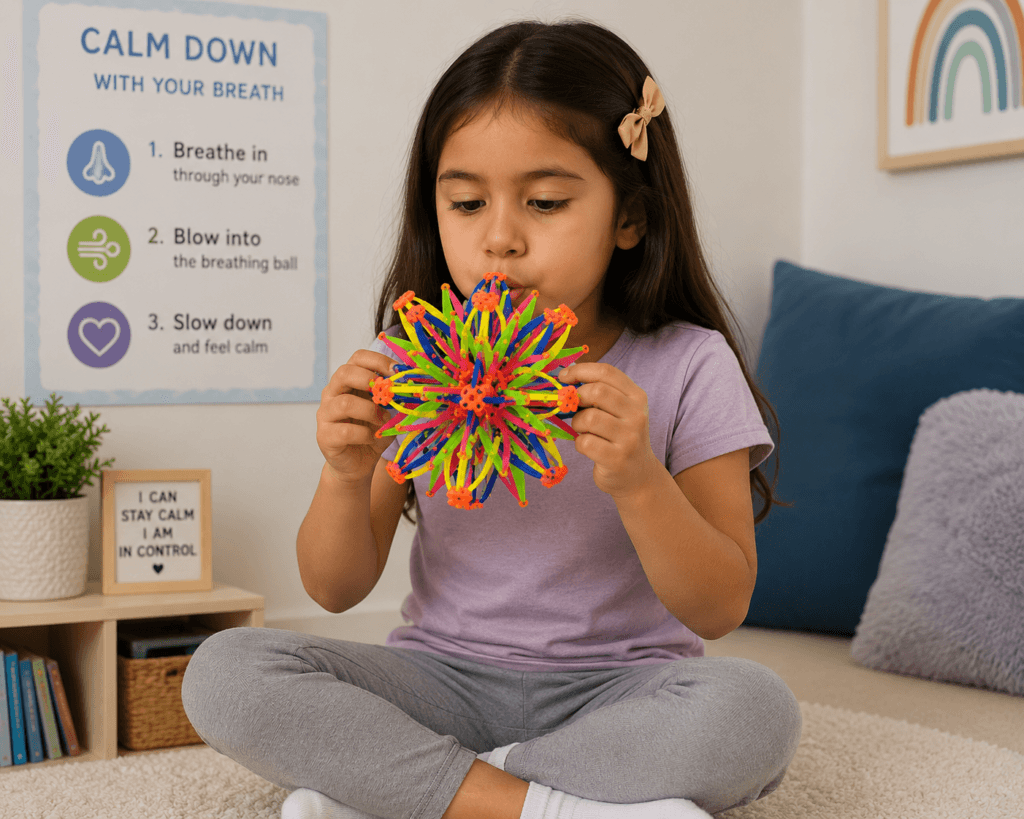
Have you ever felt an unexplained sadness, a sudden wave of insecurity, or an irrational fear that seems to come from nowhere? These emotions might be whispers from your inner child—the younger version of you that still lives within your psyche. Inner child healing is a powerful meditation practice that helps you reconnect with, nurture, and heal these wounded parts of yourself. By addressing these deep-seated emotional patterns, you can transform your present relationships, self-image, and overall wellbeing.
Many adults carry childhood wounds without realizing how profoundly they affect daily life. Whether it’s a lack of emotional validation, childhood trauma, or simply unmet needs, these experiences shape how we react to stress, conflict, and love. Inner child healing through meditation offers a gentle pathway to acknowledge these wounds with compassion and rewrite your emotional narrative.

Understanding Your Inner Child
Your inner child represents all the childhood experiences, both joyful and painful, that live within your subconscious. This part of you remembers how it felt to be small, vulnerable, and dependent on others for safety and love. When these needs weren’t met adequately, your inner child may have developed protective mechanisms that now manifest as adult behaviors—people-pleasing, perfectionism, fear of abandonment, or difficulty setting boundaries.
Beginner-friendly ways to connect with your inner child include:
- Looking at childhood photos and noticing what emotions arise
- Journaling about your earliest happy memory
- Noticing when you feel “triggered” and asking “how old does this feeling make me?”
If you’re new to meditation, start with simple meditation for beginners techniques before diving deeper into inner child work. This foundational practice will help you cultivate the mindfulness needed for this emotional exploration.
Powerful Inner Child Healing Techniques
Research shows that addressing childhood emotional wounds can lead to significant improvements in mental health. These meditation-based techniques can facilitate your healing journey:
- Visualization Meditation: Imagine your adult self comforting your younger self during a difficult memory
- Dialogue Journaling: Write a letter to your inner child, then respond as your wiser adult self
- Reparenting Affirmations: Use phrases like “I see you, I hear you, and you matter”
A study published by the National Institutes of Health found that mindfulness practices significantly reduce symptoms of childhood trauma. Try this simple exercise: When you notice a strong emotional reaction, pause and ask your inner child what they need to feel safe in this moment.
Common Challenges in Inner Child Work
Many beginners encounter similar obstacles when starting their inner child healing journey. You might feel silly talking to your younger self, or struggle to access childhood memories. Some people experience temporary emotional overwhelm as buried feelings surface—this is actually a sign of progress.
Solutions for common concerns:
- If memories feel blocked, start by working with the emotions you feel now
- When resistance appears, thank your protective mechanisms for keeping you safe
- For emotional flooding, use grounding mindfulness techniques before continuing
Remember that inner child healing isn’t about blaming caregivers—it’s about giving yourself the understanding and care you needed then and still need now.
Integrating Inner Child Healing Into Daily Life
Consistency is key for lasting transformation. Try these scheduling tips:
- Set aside 10 minutes each morning for inner child check-ins
- Create a bedtime ritual to comfort your younger self
- Use daily triggers as reminders to pause and connect
Long-term benefits of regular practice include increased self-compassion, healthier relationships, reduced anxiety, and greater emotional resilience. Many practitioners report feeling “lighter” as they release old emotional burdens.
Frequently Asked Questions
How do I know if I need inner child healing?
If you notice repetitive emotional patterns, disproportionate reactions to certain situations, or difficulty self-soothing, these may indicate unresolved childhood wounds.
Can inner child healing replace therapy?
While powerful, this practice works best alongside professional support when dealing with significant trauma.
What if I can’t remember my childhood?
Focus on the emotions you experience now—your body remembers even if your conscious mind doesn’t.
How long until I see results?
Some people feel shifts immediately, while others notice gradual changes over weeks or months of consistent practice.
Is it normal to feel worse before feeling better?
Yes, as buried emotions surface, temporary discomfort is common. Always practice self-care and go at your own pace.
Conclusion
Inner child healing is a profound journey of self-discovery and emotional liberation. By making peace with your past, you create space for greater joy, authenticity, and connection in your present life. Remember that every moment you spend nurturing your inner child is an investment in your overall wellbeing. Start small, be patient with yourself, and trust the process—your younger self is waiting to be heard, and your adult self has the wisdom to provide the healing they’ve always needed.