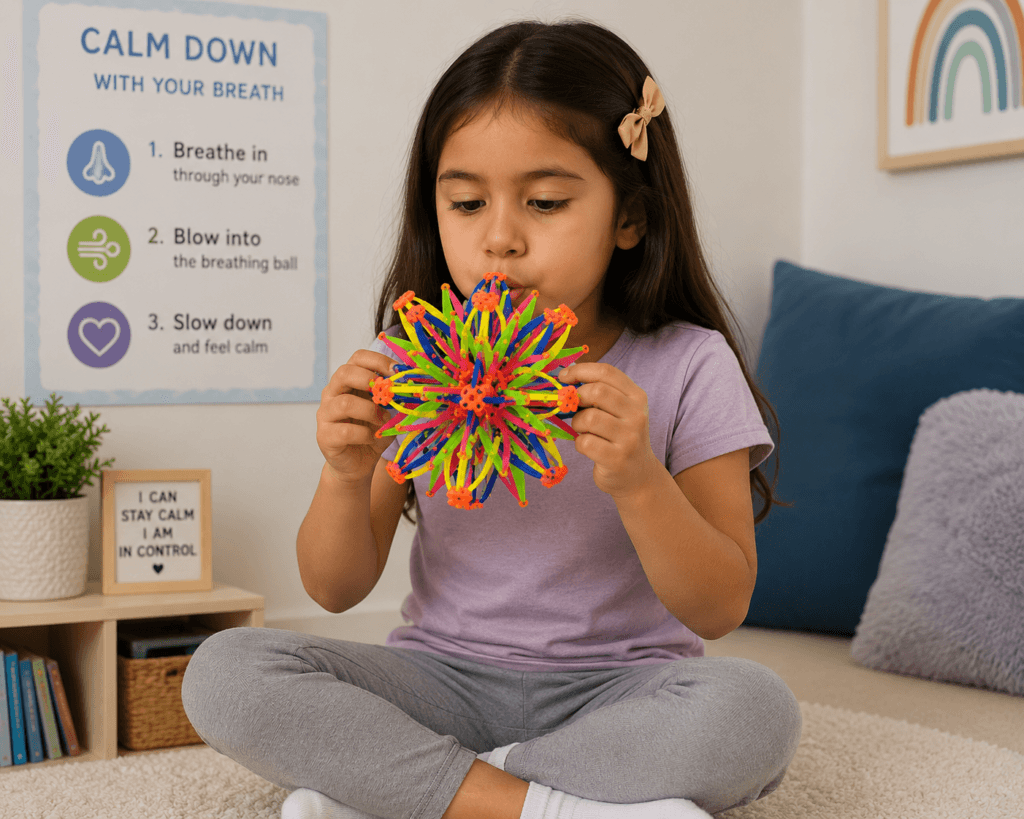
Emotional wounds can linger longer than physical ones, shaping our thoughts, behaviors, and relationships in ways we often don’t realize. Whether you’re recovering from loss, trauma, or daily stressors, emotional healing through meditation offers a powerful path to reclaiming your inner balance. This ancient practice helps you process buried feelings, release negative patterns, and cultivate self-compassion—all without judgment or pressure.
Modern neuroscience confirms what meditation practitioners have known for centuries: mindful awareness physically rewires the brain to handle emotions with greater resilience. Unlike temporary distractions, emotional healing meditation creates lasting change by addressing the root causes of pain. This guide will walk you through beginner-friendly techniques, science-backed benefits, and practical steps to integrate healing into your daily life.

Understanding Emotional Healing Meditation
At its core, emotional healing meditation is the practice of turning toward—rather than away from—difficult emotions with curiosity and kindness. Imagine sitting beside a river where leaves (your thoughts and feelings) float by. Instead of grabbing or avoiding them, you observe their movement without getting swept away.
Begin with this simple exercise: Set a timer for 5 minutes. Focus on your breath, and when emotions arise, silently label them (“fear,” “sadness,” “anger”). Picture each one as a cloud passing through the sky of your awareness. This builds the foundational skill of meditation for beginners: detachment from emotional turbulence.
Common experiences during practice include:
- Tingling or warmth in the chest (energy release)
- Sudden memories (unprocessed emotions surfacing)
- Tears or laughter (natural catharsis)
Science-Backed Techniques for Emotional Release
Research from Johns Hopkins University shows meditation reduces symptoms of anxiety and depression by 30%—comparable to antidepressant medications. These three techniques offer targeted emotional healing:
- Body Scan: Lie down and mentally “check in” with each body part, releasing tension where emotions lodge (e.g., clenched jaw = suppressed anger)
- Loving-Kindness: Repeat phrases like “May I be free from suffering” to rewire negative self-talk
- RAIN Method: Recognize, Allow, Investigate, Nurture—a four-step process for difficult emotions
A 2021 study published in research shows that just 12 minutes of daily meditation increases gray matter in brain regions governing emotional regulation.
Overcoming Common Meditation Challenges
Beginners often encounter these hurdles when pursuing emotional healing:
- “My mind won’t stop racing”: Try counting breaths (1-10, then repeat) or humming to anchor attention
- “It brings up too much pain”: Limit sessions to 3-5 minutes initially, with a comforting object nearby
- “I don’t feel anything”: Emotions may surface later—trust the process
For persistent difficulties, combine meditation with mindfulness techniques like journaling or nature walks. Progress isn’t linear; some days will feel easier than others.
Building a Sustainable Healing Routine
Consistency matters more than duration. Try this 4-week plan:
- Week 1: 3-minute morning breath awareness
- Week 2: Add 2-minute evening body scan
- Week 3: Introduce loving-kindness during lunch breaks
- Week 4: Combine techniques for 10-minute sessions
Track subtle shifts: improved sleep, fewer reactive outbursts, or moments of spontaneous joy. These signal deepening emotional healing.
Frequently Asked Questions
How long until I see results?
Initial calm often appears within 2-3 weeks, while deeper healing may take 3-6 months of regular practice.
Can meditation replace therapy?
For trauma or clinical conditions, combine meditation with professional support. They complement each other.
What if I cry during meditation?
Tears are a healthy release—keep tissues nearby and honor the process.
Is there a “right” way to meditate?
No single correct method exists. Experiment to find what resonates with you.
How do I stay motivated?
Join online communities, use guided apps, or partner with a friend for accountability.
Conclusion
Emotional healing through meditation isn’t about erasing pain but transforming your relationship with it. Each mindful breath rebuilds neural pathways toward resilience, self-acceptance, and authentic joy. Start small—even one minute of conscious breathing begins the journey. Your future self will thank you for this gift of compassionate awareness.