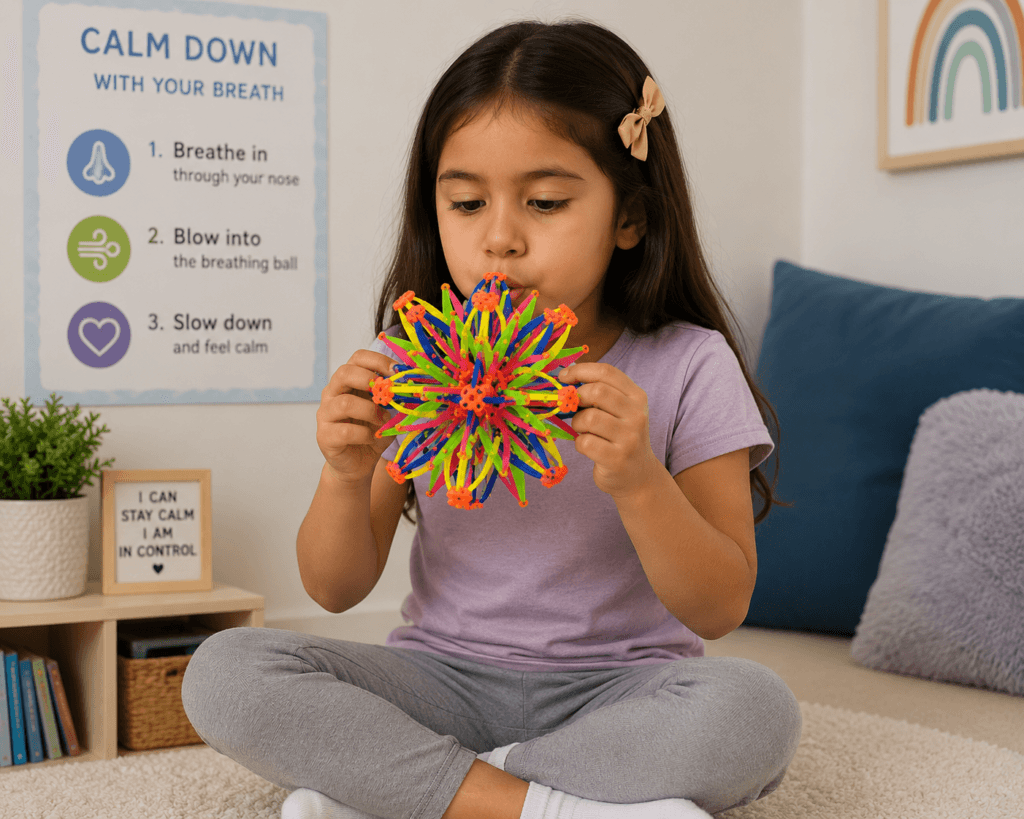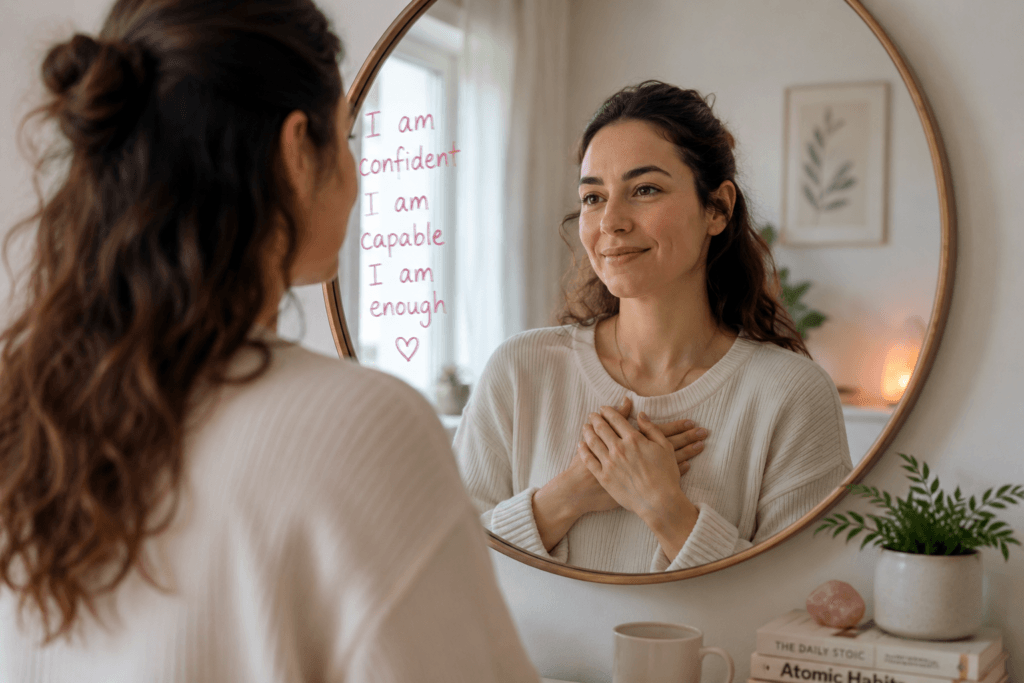
In our fast-paced world, finding moments of peace can feel like a luxury. Yet, the simplest tool for relaxation is always with us – our breath. Breathing exercises offer a powerful way to reduce stress, improve focus, and reconnect with our bodies. Whether you’re dealing with anxiety, seeking better sleep, or simply wanting to pause and reset, mastering these techniques can transform your daily life.
The beauty of breathing exercises lies in their accessibility. You don’t need special equipment or hours of free time. With just a few minutes and proper technique, you can tap into your body’s natural relaxation response. This guide will walk you through everything from basic practices to advanced methods, helping you build a sustainable breathing routine that fits your lifestyle.

The Fundamentals of Breathing Exercises
Before diving into specific techniques, it’s important to understand what makes breathing exercises effective. Proper breathing engages the diaphragm, the large muscle below your lungs. When you breathe deeply, this muscle contracts downward, allowing your lungs to fully expand. This triggers your parasympathetic nervous system, which helps calm your body and mind.
For beginners, start with this simple exercise: Find a comfortable seated position with your back straight. Place one hand on your chest and the other on your belly. Inhale slowly through your nose, feeling your belly rise while your chest remains relatively still. Exhale through pursed lips. Repeat for 3-5 minutes. This basic diaphragmatic breathing forms the foundation for more advanced techniques.
If you’re new to meditation, consider pairing these breathing exercises with our meditation for beginners guide for a comprehensive introduction to mindfulness practices.
Proven Breathing Techniques and Their Benefits
Various breathing techniques offer different benefits. Here are some of the most effective methods:
- 4-7-8 Breathing: Inhale for 4 seconds, hold for 7 seconds, exhale for 8 seconds. Excellent for anxiety relief and sleep preparation.
- Box Breathing: Inhale, hold, exhale, and hold again – each for equal counts (typically 4 seconds). Used by Navy SEALs to maintain calm under pressure.
- Alternate Nostril Breathing: Close one nostril while inhaling, then switch nostrils for exhaling. Balances the nervous system and improves focus.
Scientific research shows that regular breathing exercises can lower blood pressure, reduce cortisol levels, and improve emotional regulation. For maximum benefit, practice these techniques consistently, ideally at the same time each day.
Common Challenges and How to Overcome Them
Many beginners encounter similar obstacles when starting breathing exercises. One frequent issue is distraction – your mind wanders, and suddenly you’re thinking about your to-do list instead of your breath. When this happens, gently bring your attention back without judgment. This mental redirection is actually strengthening your focus muscles.
Another concern is physical discomfort. If you feel lightheaded, you might be breathing too forcefully. Ease up and return to natural breathing. Remember, these exercises shouldn’t feel strained. For more guidance on staying present, explore our mindfulness techniques article.
Some people worry they’re “doing it wrong.” There’s no perfect way to breathe – the goal is simply to become more aware of your breath and use it as an anchor to the present moment.
Incorporating Breathing Exercises Into Your Daily Routine
The key to making breathing exercises stick is integration into existing routines. Try these simple strategies:
- Morning: Start with 5 minutes of deep breathing before checking your phone
- Work Breaks: Practice box breathing for 2 minutes between tasks
- Evening: Use the 4-7-8 method to unwind before bed
- Stressful Moments: Keep a “breathing break” reminder on your phone
Over time, these short practices accumulate significant benefits. Regular breathing exercises can improve sleep quality, enhance emotional resilience, and even boost immune function. The more consistently you practice, the more natural these techniques will feel during stressful situations.
Frequently Asked Questions
How long should I practice breathing exercises each day?
Start with just 5-10 minutes daily. Even brief sessions can be beneficial. As you become more comfortable, you can gradually increase the duration.
Can breathing exercises help with panic attacks?
Yes, controlled breathing can be extremely helpful during panic attacks by activating the parasympathetic nervous system. The 4-7-8 technique is particularly effective for this.
Is there a best time of day to do breathing exercises?
While you can practice anytime, many people find morning sessions set a positive tone for the day, while evening exercises promote relaxation before sleep.
What if I can’t seem to focus on my breath?
This is completely normal. Try counting your breaths or using a guided breathing app until your focus improves naturally with practice.
Can breathing exercises replace medication for anxiety?
While breathing exercises are powerful tools, they shouldn’t replace professional medical advice. They work best as complementary practices alongside any prescribed treatments.
Conclusion
Breathing exercises offer a simple yet profound way to cultivate calm and clarity in daily life. By dedicating just a few minutes each day to these practices, you can develop greater emotional balance, improved focus, and enhanced wellbeing. Remember that consistency matters more than perfection – even on busy days, a single mindful breath can make a difference.
We encourage you to start small and be patient with yourself as you explore these techniques. Your breath is always with you, ready to serve as an anchor to the present moment whenever you need it most. For more guidance on developing your practice, explore our other resources and consider setting a daily reminder to pause and breathe.