In our fast-paced world, where distractions constantly pull us in different directions, the art of mindful living offers a sanctuary of peace and presence. Mindful living isn’t just another self-help trend – it’s a transformative practice that can fundamentally change how you experience every moment of your life. By cultivating awareness and intentionality in your daily activities, you can reduce stress, enhance focus, and discover deeper joy in ordinary moments.
The beauty of mindful living lies in its simplicity. You don’t need special equipment or hours of free time – just a willingness to pay attention to your present experience without judgment. Whether you’re washing dishes, walking to work, or having a conversation, mindfulness can turn these mundane activities into opportunities for growth and connection.

Understanding the Foundations of Mindful Living
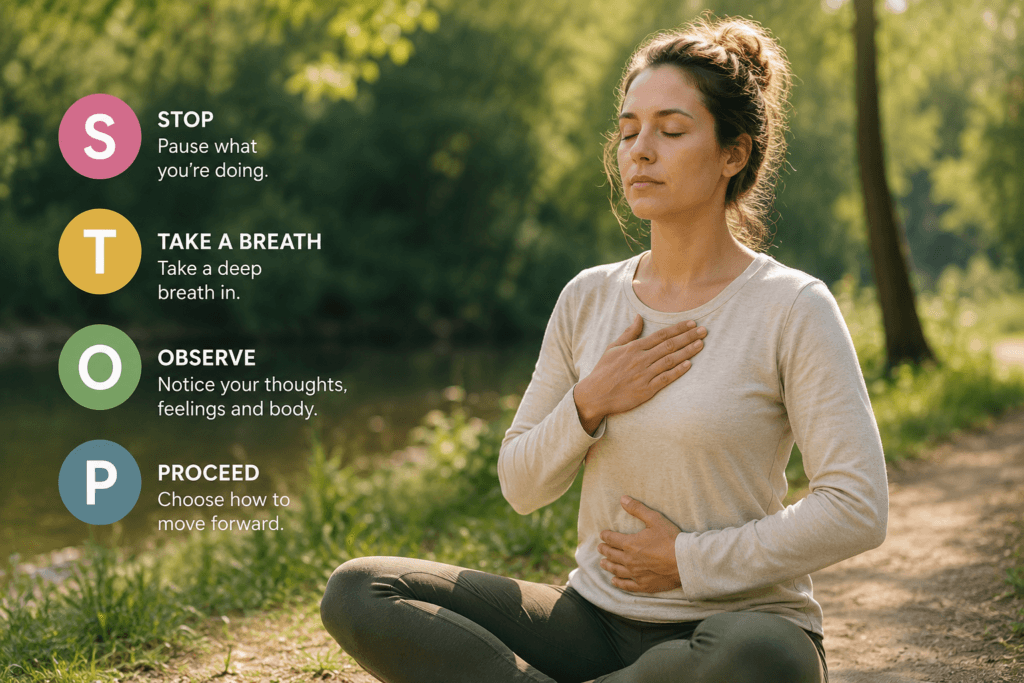
At its core, mindful living means bringing your full attention to the present moment with openness and curiosity. It’s about noticing your thoughts, feelings, and physical sensations without getting caught up in them. This practice has roots in ancient Buddhist traditions but has been adapted for modern life through programs like meditation for beginners.
Beginner-friendly ways to practice mindfulness include:
- The raisin exercise: Slowly examine a raisin with all five senses before eating it
- Breath awareness: Focus on your natural breathing pattern for 1-2 minutes
- Body scan: Mentally scan your body from head to toe, noticing any sensations
These simple exercises demonstrate how mindfulness can be practiced anywhere, anytime. The key is consistency rather than duration – even brief moments of mindfulness throughout your day can create significant benefits.
The Science-Backed Benefits of Mindful Living
Numerous studies have documented the positive effects of mindfulness on both mental and physical health. Research shows that regular mindfulness practice can reduce symptoms of anxiety and depression, improve sleep quality, and even strengthen the immune system.
Practical mindfulness techniques you can try today:
- Mindful eating: Slow down and savor each bite, noticing flavors and textures
- Walking meditation: Pay attention to the sensation of each step
- Gratitude practice: Pause to appreciate small moments of beauty
- Digital detox: Set aside tech-free periods to reconnect with yourself
These exercises help train your brain to stay present rather than dwelling on the past or worrying about the future. With practice, mindfulness becomes less of an exercise and more of a natural way of being.
Overcoming Common Mindfulness Challenges
Many beginners encounter similar obstacles when starting their mindful living journey. One common misconception is that mindfulness means emptying your mind of thoughts. In reality, it’s about observing your thoughts without judgment. If you find your mind wandering (as all minds do), simply notice it and gently return your focus to the present.
Other common concerns include:
- Finding time in a busy schedule (start with just 1-2 minutes)
- Dealing with physical discomfort during meditation (adjust your position)
- Feeling like you’re “doing it wrong” (there’s no perfect way to practice)
For more mindfulness techniques to address these challenges, explore our comprehensive guides. Remember that mindfulness is a skill that develops gradually – be patient with yourself as you learn.
Integrating Mindful Living Into Your Daily Routine
The true power of mindfulness emerges when you move beyond formal meditation and bring awareness to your everyday activities. Try anchoring mindfulness to existing habits – for example, practicing deep breathing while waiting for your coffee to brew or being fully present during your morning shower.
Creating a mindful daily routine might include:
- Starting your day with 5 minutes of mindful breathing
- Taking mindful breaks between work tasks
- Practicing gratitude before meals
- Ending your day with a brief reflection
Over time, these small practices accumulate into significant changes in how you experience life. Many long-term practitioners report greater emotional resilience, improved relationships, and a deeper appreciation for life’s simple pleasures.
Frequently Asked Questions
How long does it take to see benefits from mindful living?
While some people notice immediate effects like reduced stress, most research suggests consistent practice for 8 weeks yields measurable benefits. However, mindfulness is ultimately a lifelong journey rather than a quick fix.
Can I practice mindfulness if I can’t sit still?
Absolutely! Mindfulness can be practiced while walking, doing yoga, or even during active tasks like gardening or cleaning. The key is maintaining present-moment awareness.
Is mindful living religious?
While mindfulness has roots in Buddhist meditation, modern mindfulness practices are secular and accessible to people of all faiths or no religious affiliation.
How do I deal with difficult emotions during mindfulness?
Mindfulness teaches us to observe emotions without suppression or over-identification. If intense emotions arise, acknowledge them with kindness and return to your anchor (often the breath).
Can children practice mindful living?
Yes! Age-appropriate mindfulness exercises can help children develop emotional regulation and focus. Many schools now incorporate basic mindfulness practices.
Embracing the Mindful Living Journey
Mindful living offers a profound yet practical path to greater peace, clarity, and connection in our increasingly distracted world. By bringing gentle awareness to your daily experiences – the pleasant, the unpleasant, and the ordinary – you cultivate a richer, more meaningful life.
Remember that every moment presents a new opportunity to practice mindfulness. Whether you’re just beginning or deepening your practice, approach mindful living with curiosity and self-compassion. Start small, be consistent, and watch as mindfulness gradually transforms your relationship with yourself and the world around you.